1Reflection
Send the blue light to the blue crystal. It takes two taps.
One mirror is already in the right position.
Pieces turned
Two A4 pages (front and back) for students, plus a one-page answer key for teachers. On the front, students solve four boards from the PRISM game with a pencil; on the back, short questions draw out the physics hidden in those boards.
It works on a black and white printer: every color of light is also marked with a shape (red , green , blue ).
For ages about 10 to 14. Connects to light topics in NGSS 4-PS4-2 and MS-PS4-2 (US) and KS2 Light and KS3 Light waves (England). The beam splitter is an extension beyond the standard curriculum.
Licensed CC BY-NC 4.0: you may print, copy, share and adapt it for any non-commercial use, with credit to PRISM by A Driven. Feel free to post it on your class page.
PRISM worksheet
Reflection · Beam splitters · Prisms · Mixing light
Circle the pieces you would turn, then draw the path of the light in pencil.
redgreenblue
Send the blue light to the blue crystal. It takes two taps.
One mirror is already in the right position.
Pieces turned
Light all three red crystals with a single red beam. It takes three taps.
A beam splitter lets light through and reflects it at the same time.
Pieces turned
Split white light with the prism to light the green and red crystals. It takes two taps.
White light must enter through the prism's thick base to split.
Pieces turned
The cyan crystal () needs green and blue light at the same time. It takes two taps.
Do not forget the green crystal ().
Pieces turned
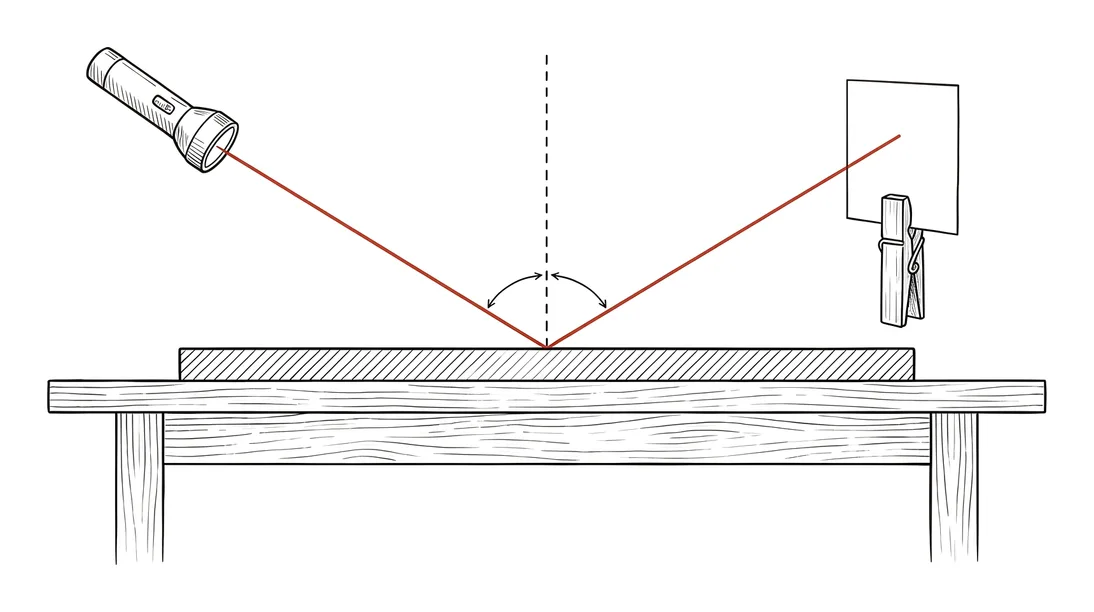
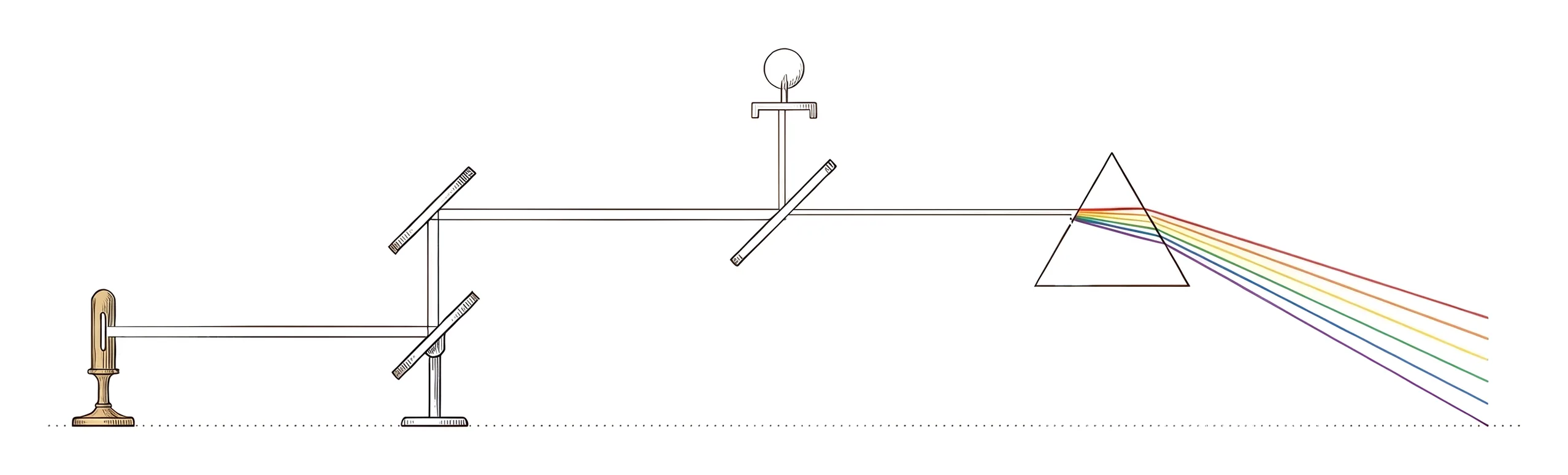
Light that hits a mirror at a slant bounces off to the other side. A periscope uses two mirrors to turn the light twice, so you can see over a wall.
On board 1, how many times did the light turn before it reached the crystal? By how many degrees did it turn each time?
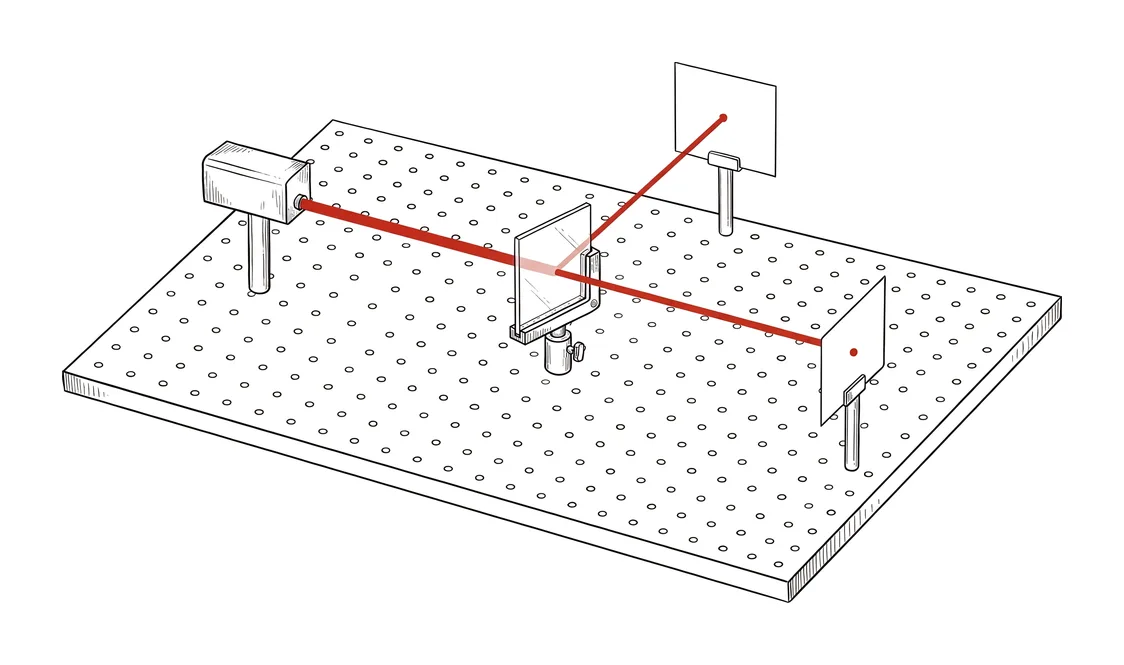
Coat glass with a very thin layer of silver and half the light passes through while half is reflected. Beam splitters are at the heart of LIGO, the instrument that first detected gravitational waves.
On board 2, what fraction of the original light reaches crystals E3, C2 and A5? (Ignore any light the glass absorbs.)
E3 C2 A5
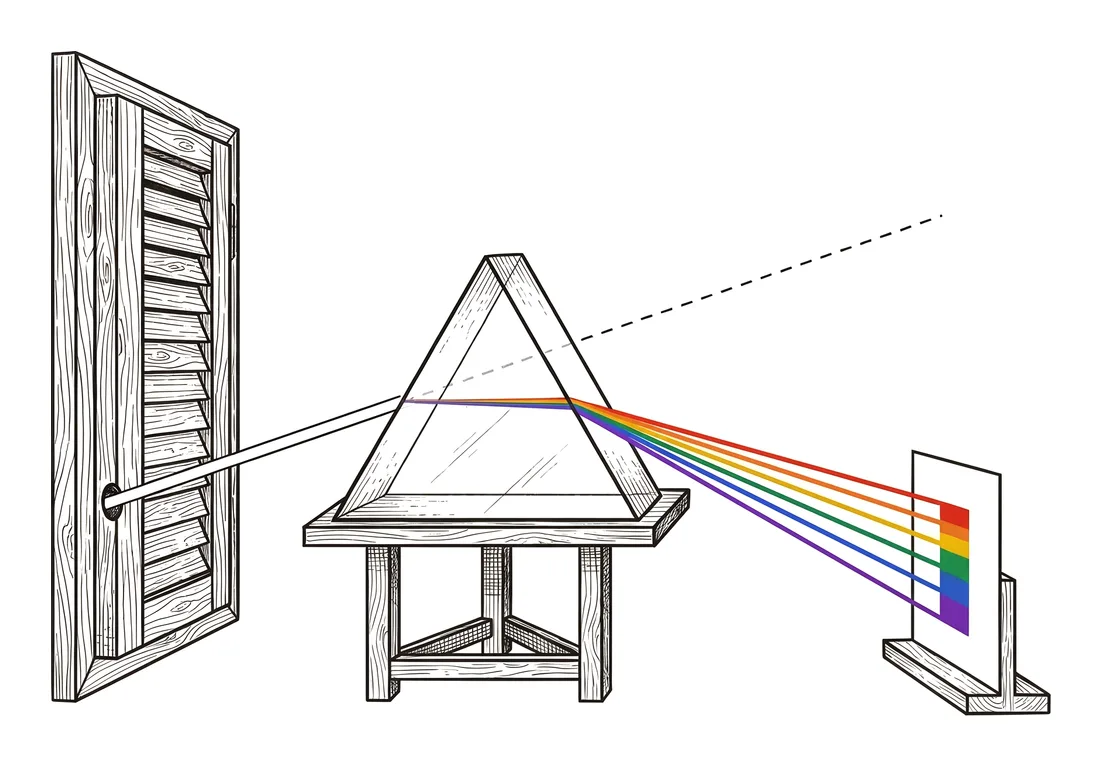
White light is a mixture of colors. A prism bends each color by a different amount, red the least and blue and violet the most, so the colors fan apart. Newton used this to show that white light is made of colors. The game simplifies the spread to red, green and blue.
On board 3, where did the blue light go? If there were a blue crystal too, which cell would it need to be on?
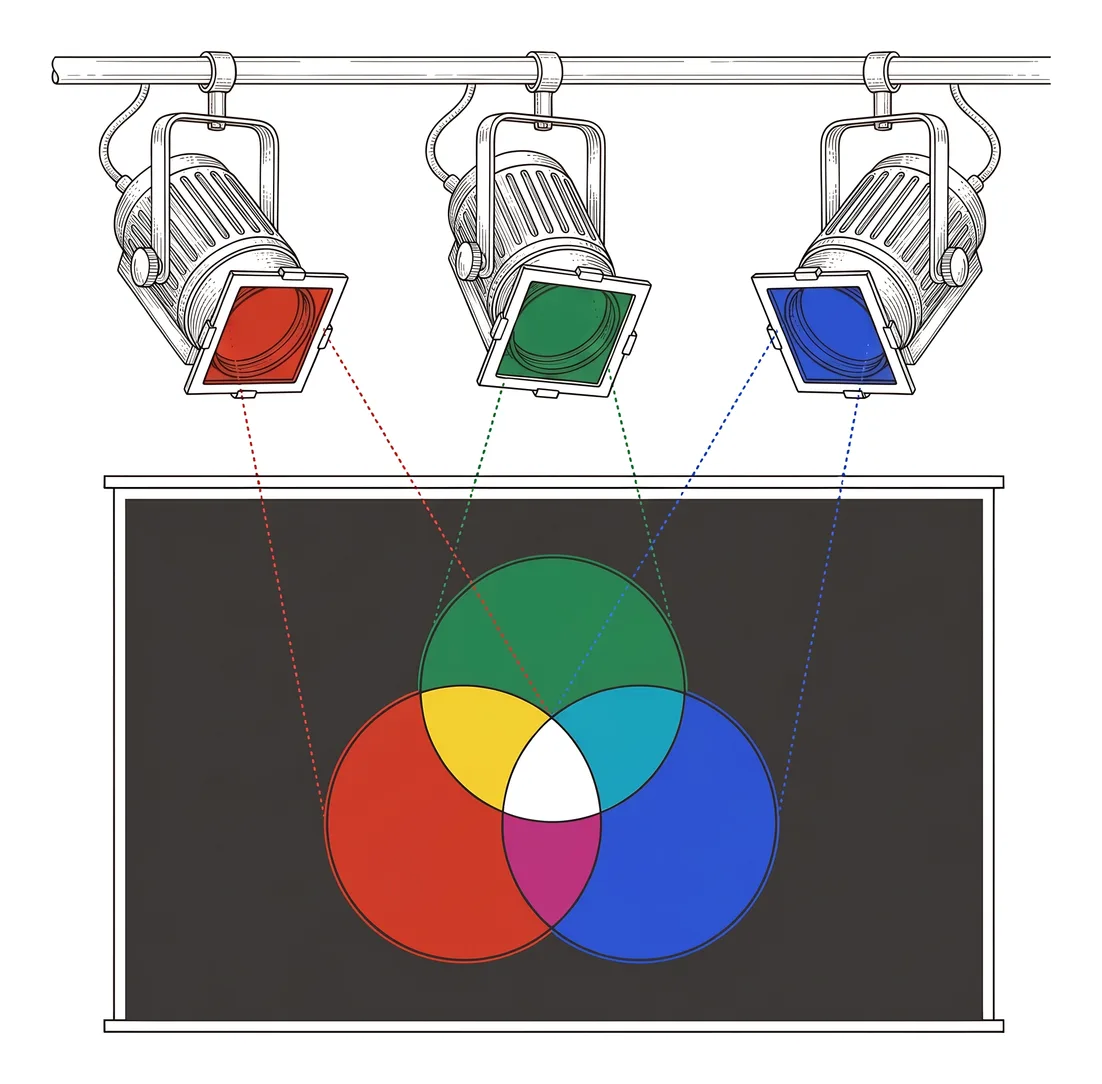
Paint gets darker as you mix it, but light gets brighter. Your phone screen makes every color from tiny red, green and blue dots.
What color do you get when these lights overlap?
| red + green | = | |
|---|---|---|
| red + blue | = | |
| green + blue | = | |
| red + green + blue | = |
Yellow and blue paint make green. What do yellow and blue light make?